A Guide to a Green La Dolce Vita
Posted on
Italy isn’t just about ancient ruins, Renaissance art, and incredible food—it’s also a country where sustainable travel is deeply woven into the regional cultures, from Alpine eco-lodges to slow food villages. Travelling sustainably here means enjoying la dolce vita while protecting the bel paese (beautiful country) for future generations.
Why Italy is Perfect for the Conscious Traveller
Italy’s regional diversity, strong local food networks, and growing eco-tourism initiatives make it an ideal destination for low-impact travel. Many Italians have embraced la vita sostenibile (the sustainable life), with a focus on seasonal eating, preserving heritage, and protecting landscapes.
Getting There & Around
- Travel Overland: Consider trains from other European cities. Italy has excellent rail connections from France, Switzerland, Austria, and Germany.
- Internal Travel: Use Italy’s extensive and efficient rail network. For regions like Puglia or Sicily, consider renting an electric or hybrid vehicle.
- Local Transport: Walk or cycle in cities—many historic centres are car-free. Use local buses, trams, or bike-sharing in larger cities.

Photo by Nikolai Kolosov on Unsplash
Eating & Drinking Sustainably
Italy’s culinary culture is inherently sustainable when done right:
- Eat Local & Seasonal: Visit markets (mercati), and look for prodotti tipici (local products).
- Support Slow Food: Dine at Slow Food-certified restaurants or visit Presidia (projects protecting traditional foods).
- Choose Plant-Based Options: Italian cuisine offers incredible vegetable dishes—from Sicilian caponata to Roman artichokes.
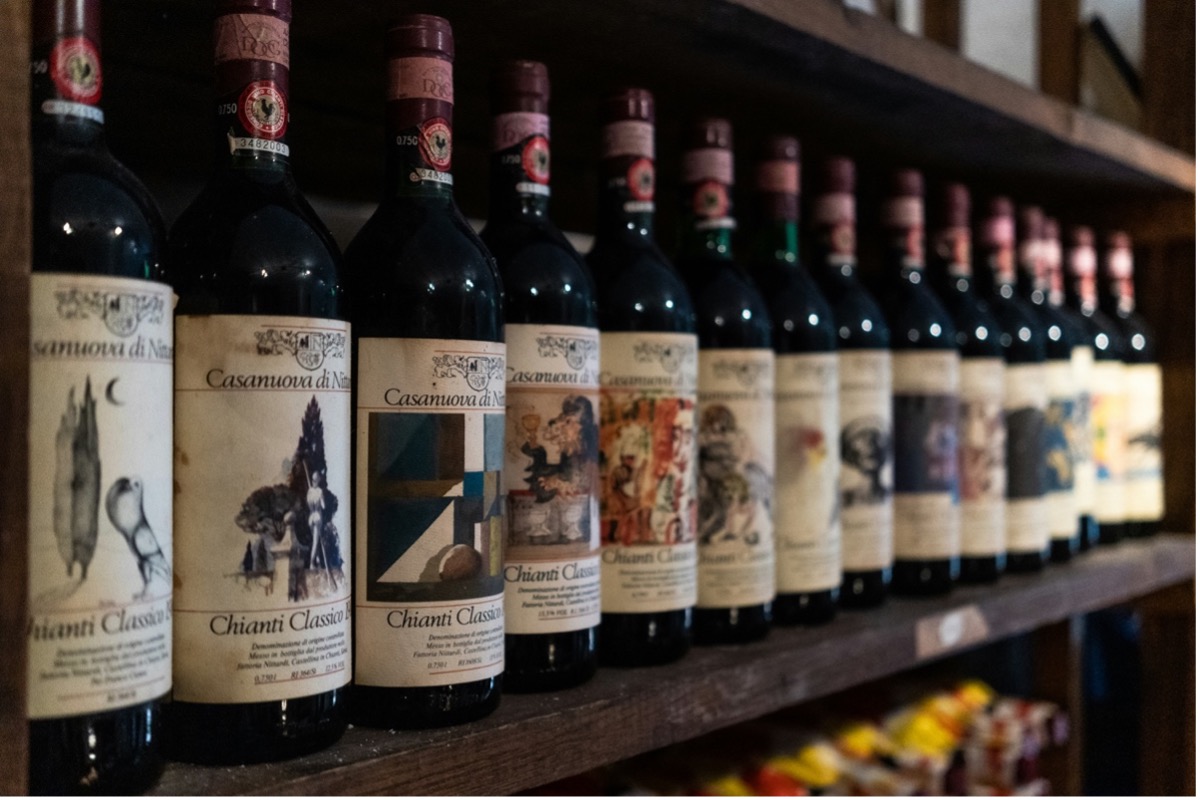
- Drink Local Wine & Water: Opt for natural wines and refill your bottle at public fountains (most Italian cities have safe drinking fountains).
Photo by Kristijan Arsov on Unsplash
Sustainable Activities
- Hiking & Cycling: Explore coastal paths, hill paths and pilgrimage routes.
- Cultural Preservation: Choose tours led by local guides, visit family-run workshops, and support artisan cooperatives.
Photo by Alaine Johnson on Unsplash
Packing & Mindset
- Bring a reusable water bottle and shopping bag.
- Learn basic Italian phrases to connect meaningfully.
- Slow down—choose fewer destinations and immerse yourself in local life.

Photo by Alaine Johnson on Unsplash
Key Sustainable Destinations
- Alberobello, Puglia: Trulli houses and rural tourism.
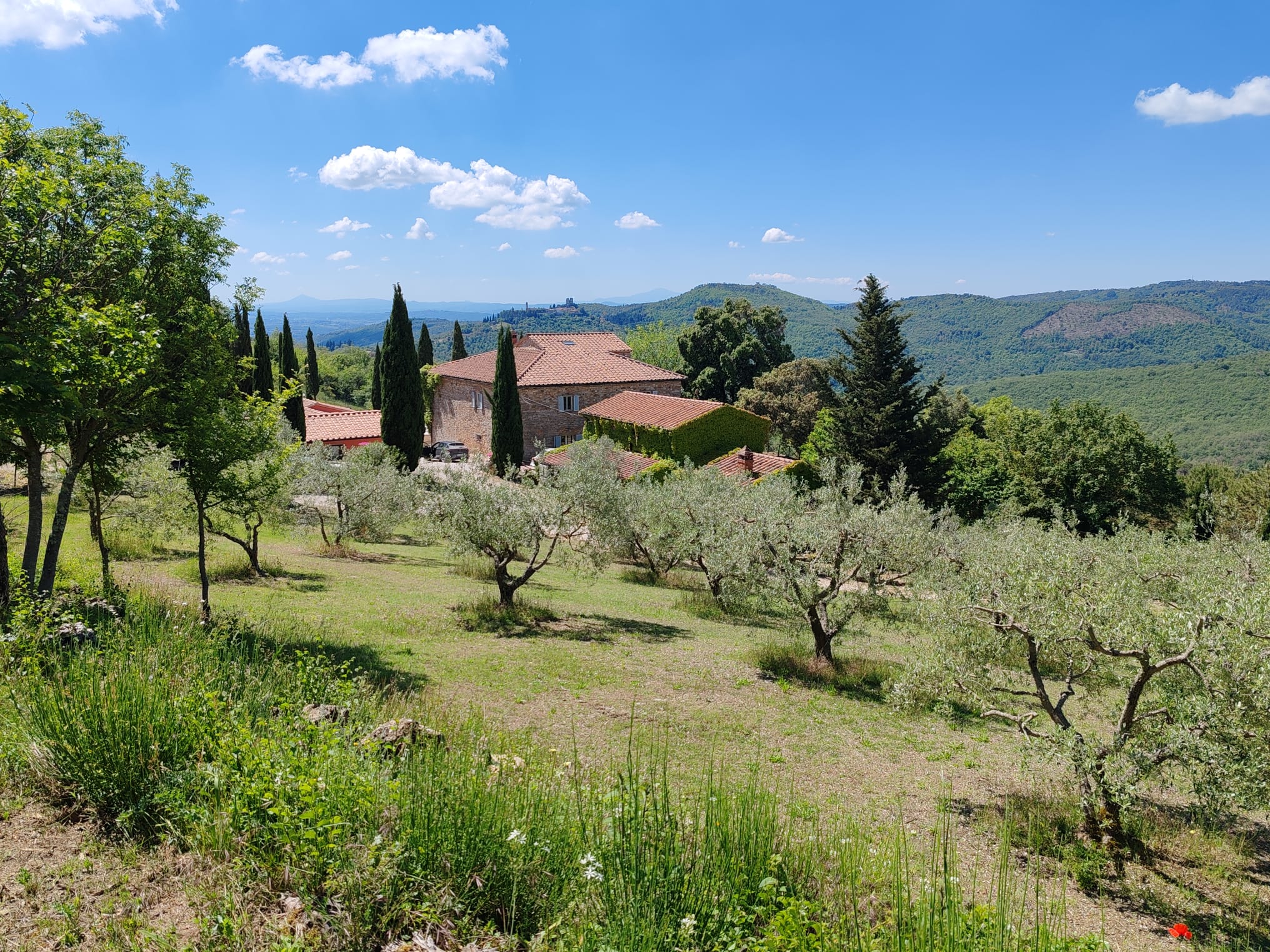
Stay at: Trullo Iduna - Chianti Region, Tuscany: Organic wineries and agriturismi.
Stay at: Villa Volpe - Maremma, Tuscany: Wild coastlines and sustainable farms.
Stay at: Villa La Loggia - Mount Etna, Sicily: Volcanic wine tours and eco-agriculture.
Stay at: Villa Milo - Sardinia: National Marine Park of La Maddalena – sailing boat trips.
Stay at: Casa Capo d’Orso

Photo by Leon Rohrwild on Unsplash
Final Tips
- Offset Your Carbon: Calculate and offset your flight emissions via reliable programs.
- Respect Heritage & Nature: Follow “leave no trace” principles, and remember that many artifacts and ecosystems are fragile.
Stay at: Villa Nemini
Traveling sustainably in Italy isn’t about sacrifice—it’s about deeper connection. It’s sipping wine made from grapes grown on volcanic soil, eating cheese from sheep grazing on coastal meadows, and sleeping in a stone farmhouse restored with care. It’s la bella vita, made even more beautiful by knowing your visit supports the people and places that make Italy magical.