The History of Wine in Puglia
Posted on
The Rich History of Salento Wine – by Sarah
When you think of Italian wine, your mind might drift to the rolling hills of Tuscany or the elegant peaks of Piedmont. But journey south, to the sun-drenched heel of Italy’s boot, and you’ll discover a wine region with a story as deep and compelling as its ruby-red wines: Salento, Puglia.
The history of Salento wine is a tale of ancient vines, conquering civilizations, and a resilient spirit that has shaped some of Italy’s most robust and beloved wines. We have uncorked the past and explored how this beautiful peninsula became a powerhouse of viticulture.
Photo by Foto di Maja Petric su Unsplash
The Ancient Roots: Greeks and Messapians
Long before the names Primitivo and Negroamaro echoed through wine cellars, the Messapians, an ancient Italic people, were cultivating vines in Salento. But the true catalyst for Puglia wine history arrived with the Greeks around the 8th century BC.
They called this land “Enotria” – the land of wine. The Greeks didn’t just bring vines; they brought advanced viticultural techniques. They recognized the perfect land; a limestone-rich soil, brushed by breezes from both the Ionian and Adriatic Seas, and blessed with an abundance of sunshine. The foundation for years of winemaking was laid.
The Roman Influence and Medieval Preservation
The Romans, who followed, were equally enamoured with the region’s viticultural potential. They enhanced production and exported Salento’s wines across the empire. While the fall of Rome led to a dark age for much of Europe, monastic orders throughout the Medieval period became the guardians of viticulture, preserving vineyards and knowledge within the quiet walls of their abbeys.
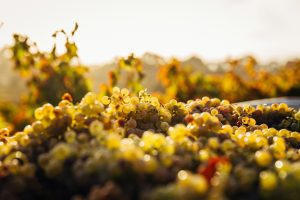
Photo by Foto di Thomas Schaefer su Unsplash
The Humble “Alberello” and the Rise of the Reds
Walk through a historic vineyard in Salento today, and you might see the ancient alberello (bush vine) training system. These low, goblet-shaped vines are not just for show; they are a testament to survival. This method protects the grapes from the intense sun and allows the plant to make the most of the scarce water, producing intensely concentrated fruit.
It was in these conditions that Salento’s signature red grapes thrived. Negroamaro (“black-bitter”) revealed its robust, dark, and charmingly bitter character, becoming the soul of iconic DOC wines like Salice Salentino. Meanwhile, Primitivo was discovered in the 18th century near Manduria, a grape known for ripening early (primo meaning first) and producing wines of profound sweetness and power.
From Bulk Wine to Bottled Brilliance
For much of the 20th century, the Puglia wine region was known as the cellar of Italy. The warm climate yielded generous quantities of wine, much of which was sent north to bolster weaker wines from other regions. While this supported the local economy, it did little for reputation.
The turning point came in the latter half of the century. A new generation of visionary winemakers began to shift focus from quantity to quality. They invested in modern technology, championed controlled denominations (DOC and later DOCG), and started bottling the unique expression of their land. Primitivo di Manduria gained global fame, often celebrated as the ancestor of California’s Zinfandel, while Negroamaro showcased its incredible versatility in both rosés and age-worthy reds.
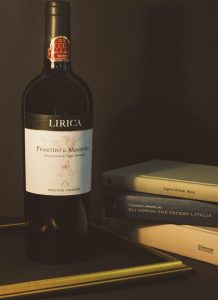
Photo – Photo by Alessandro Sacchi on Unsplash
Salento Wine Today: A Tapestry of Tradition and Innovation
Today, the history of Salento wine is a living, breathing narrative. The region is a hotspot for wine tourism in Puglia, where visitors can tour ancient vineyards, taste in state-of-the-art cantinas, and experience the warm hospitality of the Salentini people.
The story of Salento wine is one of resilience and renaissance. It’s a history written in the gnarled trunks of alberello vines, tasted in every glass of robust Primitivo and earthy Negroamaro, and felt in the passionate spirit of its people. It’s more than just a drink; it’s the liquid history of a sun-kissed land.