5 Rocky Facts About Sardinian Granite
Posted on
No.1
It’s a “Granite Giant” That Shaped Global Landmarks
Sardinia is one of the largest granite reservoirs in Europe. Its stone is not just local—it was historically exported around the Mediterranean. Most famously, the ancient Roman Pantheon in Rome features columns made from Sardinian granite (specifically from the quarries near Gallura). This means you can find a piece of Sardinia holding up one of history’s most iconic buildings.
Stay at Villa Elena
Photo by Massimo Virgilio on Unsplash
No. 2
The “Moon-Like” Erosion Creates Natural Sculptures
Over millennia, wind and rain have sculpted Sardinia’s granite into astonishing, surreal shapes. This process, called exfoliation or “tafoni,” creates formations that look like giant mushrooms, elephants, bears, or even castles. The landscape of the Gallura region resembles an open-air sculpture park carved by nature.
Stay at Casa Capo d’Orso
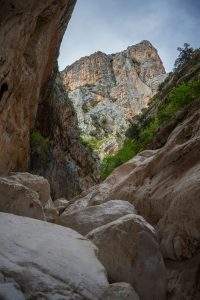
Photo by Mateusz Sopor on Unsplash
No 3.
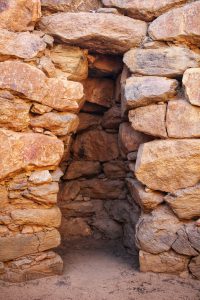
It’s the Bedrock of the Island’s Ancient “Nuraghe” Civilization
The Nuragic people (1900–730 BC) built their entire mysterious civilization using granite. Thousands of nuraghe towers, holy wells, and “giants’ tombs” dot the landscape, all constructed from this local stone. The granite provided durable, abundant material, allowing these Bronze Age structures to survive for nearly 4,000 years. The most famous site, Su Nuraxi di Barumini, is a UNESCO World Heritage site made entirely of granite blocks.
Stay at Casa Gallo
No.4
The Colour Isn’t Just Grey – It’s a Sunset Palette
While often called “grey granite,” Sardinian stone actually displays a rich range of colours due to its mineral composition. You can find varieties with:
- Pink hues (from potassium) around places like Gallura.
- Warm, yellowish tones in central areas.
- Bluish-grey shades along the coast.
This colourful diversity means the rock seems to change colour with the shifting light of dawn and dusk.
Stay at Villa Lentischio
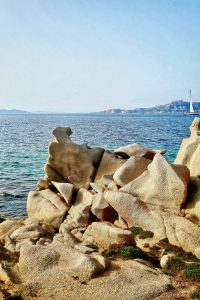
Photo by Massimo Virgilio on Unsplash
No.5
Modern Quarries Are Reviving a Stone-Age Tradition
Granite quarrying in Sardinia dates back to the Nuragic era, and today it remains a vital, high-tech industry. The island is a leading producer of granite for global construction, luxury interiors, and design. Modern quarries extract blocks that become kitchen countertops, flooring, and façades worldwide. This creates a fascinating full-circle story: the same stone used for prehistoric tombs is now shipped globally for contemporary architecture.
Stay at Villa Hibiscus
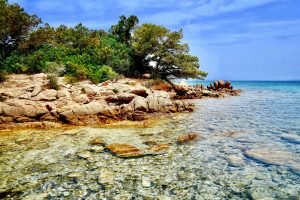
Photo by Massimo Virgilio on Unsplash